


Inside VoXgent.AI: How Human-Like Conversations Are Built
There’s a reason most people still get frustrated with automated calls. You can almost tell within five seconds. The pauses feel strange. The responses sound scripted. You ask one unexpected question and suddenly the system has no idea what to do. Most people have experienced that kind of interaction before, which is why a lot of companies still hesitate when they hear terms like “AI voice bot” or “voice automation.” The concern is understandable. Nobody wants customers feeling trapped inside robotic conversations. That’s actually one of the biggest reasons VoXgent.AI was built differently. The goal was never to create a system that simply talks. The goal was to create human-like AI conversations that feel natural enough that customers stop thinking about the technology completely, and honestly, that changes everything.
The real problem with most voice systems
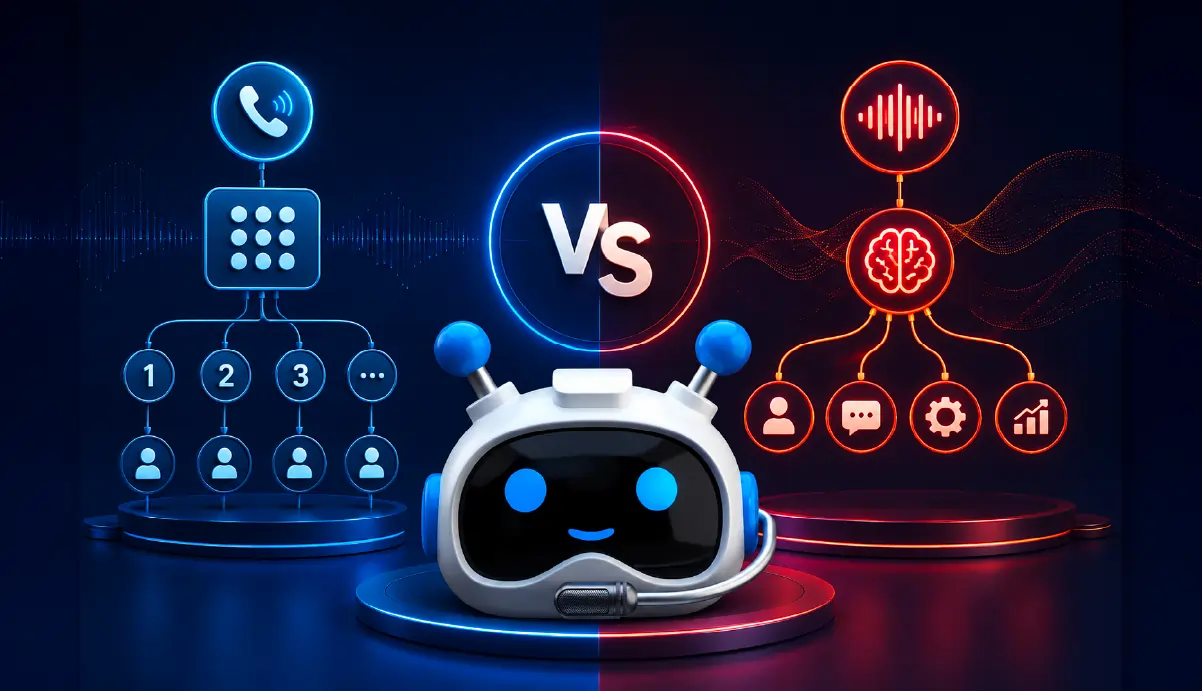
A lot of older voice systems were designed around scripts. If the customer says A → respond with B. If they say something unexpected → redirect them. That works for basic routing. It doesn’t work for real conversations. Because real people don’t speak in perfectly structured flows. Customers interrupt themselves. They change topics halfway through. They explain things emotionally. Sometimes they don’t even know exactly what they need. That’s where traditional systems usually fail. VoXgent.AI approaches conversations differently. Instead of forcing customers into fixed paths, the platform is designed to understand intent, context, and conversational flow in a much more natural way. That’s what allows human-like AI conversations to feel less mechanical and more fluid.
What actually makes a conversation feel human?
Most people assume it’s just the voice. The voice matters. But honestly, that’s only a small part of it. The bigger difference comes from how the system handles context.
For example: A customer might say, “Hey, I called earlier about my delivery. It still hasn’t arrived.” A basic system treats that like a brand-new interaction. VoXgent.AI doesn’t.
It recognizes:
- This is a returning conversation
- The customer already contacted support
- The issue is related to delivery
- Frustration may already exist
That context changes how the conversation responds, and that’s usually the moment interactions start feeling more human. Because in normal conversations, people remember. Customers expect systems to do the same.
How VoXgent.AI builds human-like AI conversations
1. Conversations are built around intent, not keywords
Older systems listen for exact phrases. Modern conversational AI works differently. People rarely ask the same question in the same way. One person says, “Where’s my package?” Another says, “My order still hasn’t come.” Someone else says, “I think my shipment is delayed.” The wording changes. The intent stays the same. VoXgent.AI focuses on understanding meaning rather than matching fixed commands. That’s a major reason human-like AI conversations feel more natural. Customers can speak normally instead of carefully choosing words to “help the bot understand.”
2. The system remembers context during conversations
This part matters more than most businesses realize. One of the fastest ways to frustrate customers is forcing them to repeat information. With VoXgent.AI, conversations carry context forward. So if someone already shared:
- Their issue
- Account information
- Order details
- Previous actions
…the system keeps track of it throughout the interaction. That reduces repetition. It also makes conversations flow more naturally. Which is exactly how human conversations work.
3. Voice responses are designed to sound conversational
A lot of AI systems still sound overly polished. Almost too perfect. Ironically, that’s part of what makes them feel unnatural. Real conversations have pacing. Small pauses. Natural variation. A slightly more relaxed rhythm. VoXgent.AI is designed with that in mind. The goal isn’t to sound dramatic or overly “AI.” The goal is simply to make AI voice conversations easier to engage with. That difference becomes noticeable quickly, especially during longer support interactions.
4. Human handoff happens smoothly
No AI system should try to force itself through every situation. Some conversations genuinely need people. Billing disputes. Escalations. Emotionally sensitive situations. Complex technical problems. VoXgent.AI is designed to recognize when human involvement makes more sense, and importantly, when that handoff happens, the customer doesn’t need to start over. The agent receives conversation history and context immediately. That creates a much smoother experience for both customers and support teams.
Why businesses care about this now
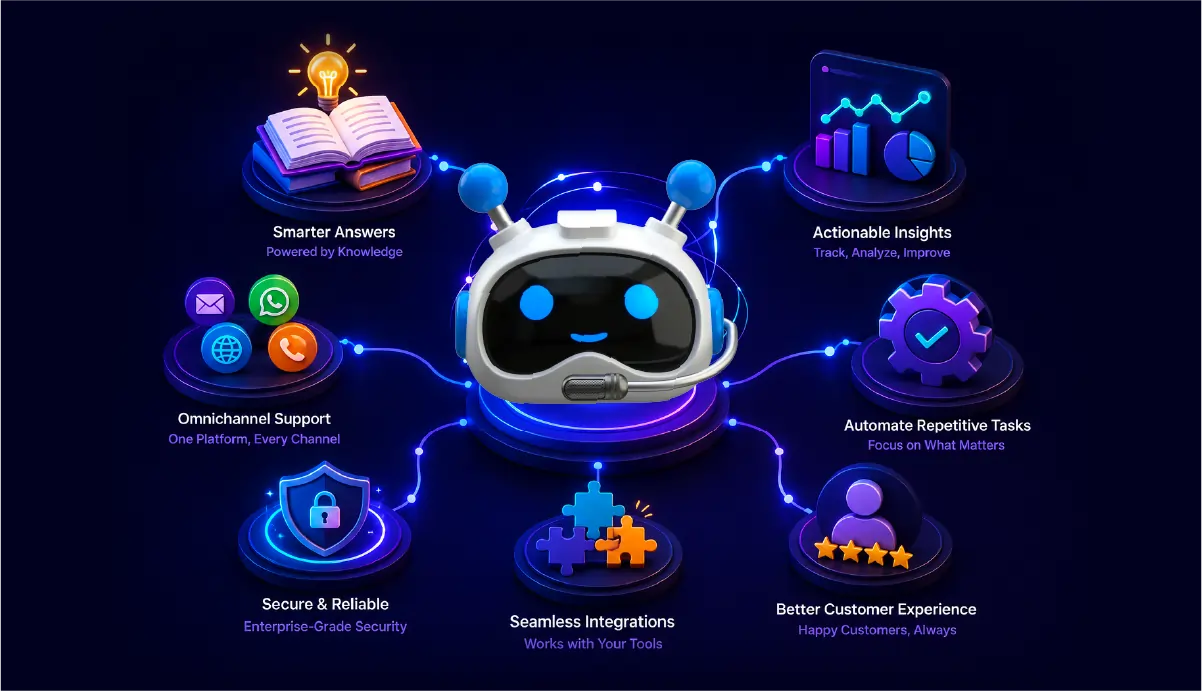
At first glance, this sounds like a customer experience conversation. But operationally, it matters too. Because repetitive conversations create pressure inside support teams. The same questions. The same workflows. The same repetitive tasks. That’s one reason many companies struggle to scale support efficiently. VoXgent.AI helps reduce that pressure by handling repetitive conversations automatically while still keeping interactions natural. That balance matters. Because customers still want speed. But they also want conversations that don’t feel robotic.
What this looks like in day-to-day support
Before using conversational AI:
- Customers wait in queues
- Agents repeat similar answers all day
- Support teams get overloaded during spikes
- Customers repeat information across channels
After implementing VoXgent.AI:
- Repetitive conversations get resolved instantly
- Customers receive faster responses
- Agents focus on more meaningful conversations
- Support operations feel far less chaotic
Most companies notice the operational improvement first. But interestingly, customers usually notice something else. The experience simply feels easier. That’s often the strongest signal that human-like AI conversations are working properly.
The part many businesses misunderstand
Some companies still approach AI as a replacement strategy. That’s usually where things go wrong. The better approach is augmentation.
Let AI handle:
- Repetitive support requests
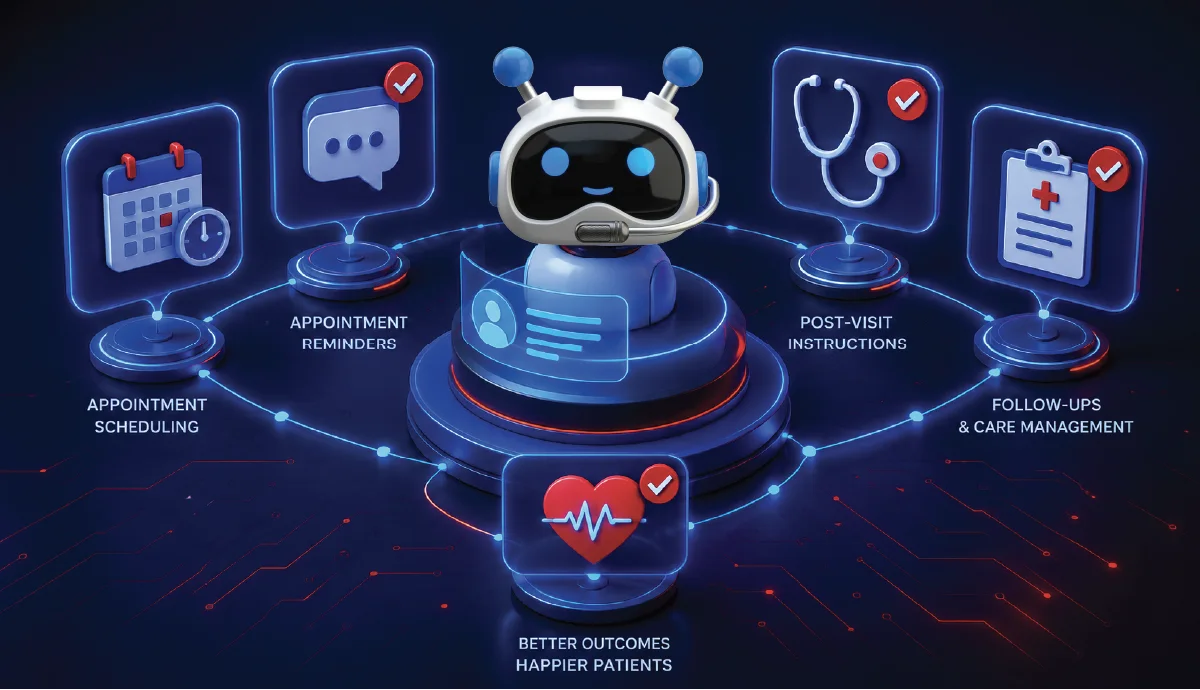
- Appointment scheduling
- Order tracking
- Status updates
- Basic FAQs
Let people handle:
- Complex problem-solving
- Emotional conversations
- Relationship-building
- Escalations
That combination is what makes conversational AI sustainable long term, and honestly, that’s where VoXgent.AI tends to work best. Not as a replacement for teams. But as a way to remove unnecessary operational load.
Why human-like AI conversations matter more than ever
Customer expectations changed quietly over the last few years. People expect:
- Faster responses
- Fewer delays
- Less repetition
- Support outside business hours
At the same time, support teams are under more pressure than ever. Hiring alone doesn’t solve that anymore. That’s why conversational AI platforms like VoXgent.AI are becoming part of how modern support systems scale. Not because AI is trendy. Because operationally, the older model is getting harder to sustain.
A more practical way to think about it
The real goal isn’t “AI conversations.” It’s reducing friction. If customers get answers faster… If support teams feel less overwhelmed… If conversations move more smoothly…then the technology is doing its job. That’s ultimately what VoXgent.AI focuses on. Building human-like AI conversations that feel natural enough to improve the experience without making the technology itself the center of attention.
Still evaluating conversational AI platforms?
If you’re exploring how AI voice conversations could fit into your support operation, the best starting point is usually a small workflow. Something repetitive. Something high-volume. Something your team handles constantly. That’s often where the impact becomes obvious very quickly. With VoXgent.AI, businesses can introduce conversational AI gradually, test real customer interactions, and expand only where it actually improves the experience.
→ Book a demo to hear how VoXgent.AI creates human-like AI conversations in real support environments
→ Or explore which customer conversations can realistically be automated without losing the human experience
Still unsure if conversational AI will feel “human enough” for your customers?
That’s completely normal. Most businesses don’t realize how much operational friction exists until they actually see connected workflows in action.
Talk to a VoXgent.AI expert
- Review your current support workflow
- Identify areas creating repetitive operational load
- Explore how connected voice AI could simplify customer support operations