

The part nobody talks about in scheduling
Booking an appointment sounds simple… until you look at how much time it actually takes. A customer calls. You ask for availability. They check their calendar. You suggest a slot. It doesn’t work, and just like that, a 30-second task turns into a 5-minute conversation. Now multiply that across a day, a week, and a month. That’s when scheduling quietly becomes one of the most time-consuming parts of running support or operations.
Where things start breaking
Most teams don’t notice it immediately. At first, it’s manageable. Then:
- Calls start overlapping
- Agents juggle multiple requests
- Customers get put on hold
- Some just… hang up
And that’s where the real problem begins. Because missed or delayed bookings don’t just affect operations. They directly affect revenue.
What “automating booking” actually means without the buzzwords
Let’s keep this simple. Voice AI, in this context, is just a system that can:
- Answer calls instantly
- Understand what the customer wants
- Check availability in real time
- Book the appointment
- Confirm without needing a person involved
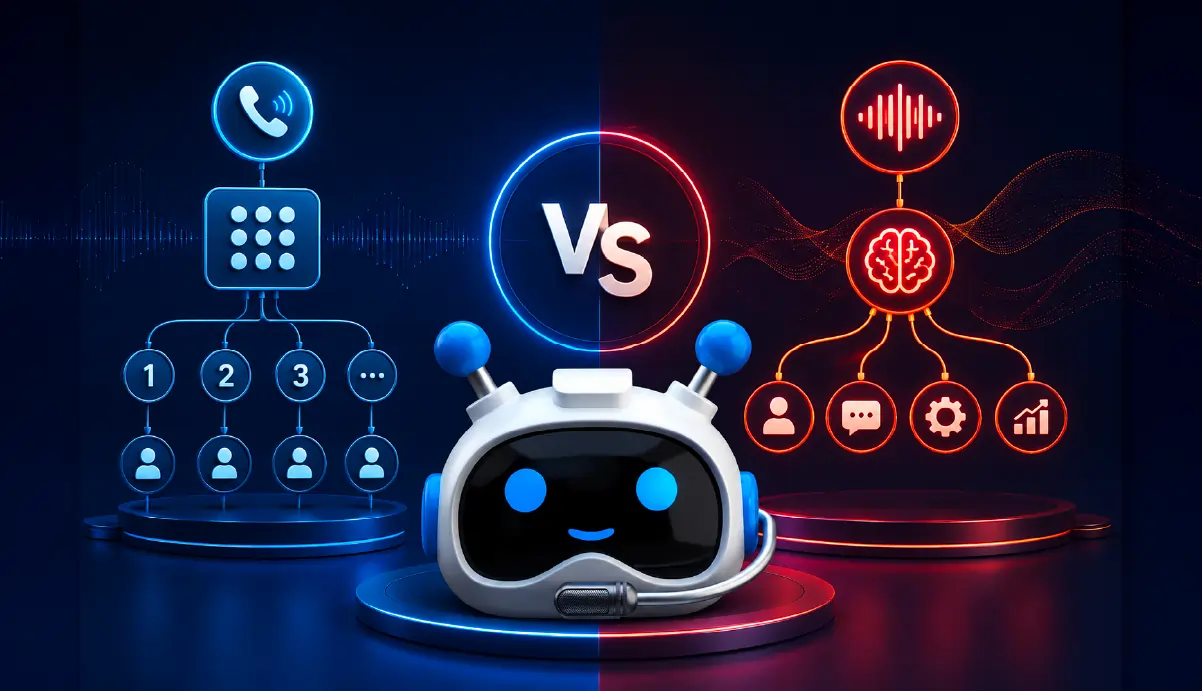
No menus. No “press 1, press 2. “Just a conversation.
What it looks like in a real scenario
A customer calls in. Instead of waiting, they hear: “Hi, how can I help you today?” They say, “I want to book an appointment for tomorrow.” The system:
- Checks available slots
- Offers options
- Confirms the time
- Books it
Done in under a minute. No back-and-forth. No waiting and, importantly, no missed opportunity.
Where the actual value comes from
The benefit isn’t just “automation.” It’s what changes because of it.
1. You stop missing bookings
If no one picks up, the booking doesn’t happen. Voice AI answers every call. Even:
- After hours
- During peak times
- When your team is busy
That alone makes a noticeable difference.
2. Scheduling becomes faster (for everyone)
Customers don’t want to negotiate time slots. They want:
- Quick options
- Immediate confirmation
When that happens instantly, the experience feels smoother, and smoother experiences usually mean higher conversion.
3. Your team gets time back
Think about how much time goes into:
- Checking calendars
- Confirming availability
- Rescheduling
Once that’s handled automatically, your team isn’t stuck managing schedules all day. They can focus on:
- Higher-value conversations
- In-person service
- More complex tasks
4. Fewer no-shows; this is underrated
Voice AI doesn’t just book. It can:
- Send reminders
- Confirm appointments
- Handle rescheduling automatically
That reduces gaps in your calendar something most businesses struggle with.
Where this works best
You’ll see the biggest impact in businesses where:
- Appointments are frequent
- Calls are high-volume
- Timing matters
For example:
- Healthcare clinics
- Salons and wellness centers
- Real estate teams
- Service businesses (repairs, consultations, etc.)
Basically, anywhere scheduling is repetitive.
The hesitation most teams have
It’s usually one of these:
“Will it feel too robotic?”
It used to. Not anymore. If done right, the interaction feels like a normal conversation not a system.
“What if something goes wrong?”
Good systems don’t try to handle everything. If a request gets complicated, it’s passed to a human with context. So the customer doesn’t have to start over.
“Do we have to change everything?”
No. Most teams start small:
- One use case
- One workflow
- One type of booking
Then expand once it’s working.
Where platforms like VoXgent.AI fit in
This is where tools like VoXgent.AI comes in not as a replacement for your team, but as support for the parts that don’t really need human effort. Instead of your team handling every booking call:
- Voice AI picks up instantly
- Handles scheduling end-to-end
- Syncs with your systems
- Passes only complex cases to people
So your setup doesn’t get disrupted. It just gets lighter.
What changes over time
At first, the difference feels small. Fewer calls waiting. Faster bookings. But over time, it adds up:
- More appointments captured
- Less time spent on coordination
- Better customer experience
- Lower operational pressure
And most importantly: You’re not scaling scheduling by adding more people.
A simple way to think about it
Manual booking = effort increases with demand. Automated booking = system handles demand as it grows. That’s the real shift.
Appointment booking isn’t complicated work. It’s just repetitive work, and repetitive work is exactly where automation makes the most sense. Once that’s handled properly, everything else from customer experience to team productivity gets easier.
See How VoXgent.AI Automates Appointment Scheduling End to End.