


The moment support starts feeling scattered
This usually doesn’t happen overnight. At first, adding chat feels like progress. Faster replies. Fewer calls. Then voice support keeps growing anyway. Then another channel gets added, WhatsApp, email, maybe more, and before you realize it, your support setup is spread across tools that don’t really talk to each other. That’s usually the point where teams start thinking about bringing voice and chat in one platform not as a “nice-to-have” but because things are starting to feel messy.
It’s not just volume. It’s the disconnect.
Most teams assume the problem is too many requests. But more often, the issue is what happens between those requests. A customer starts on chat… Then calls later… and ends up explaining the same issue again. Agents don’t have the full picture. Customers lose patience. Most tools manage channels. Very few actually connect them.
Why combining voice and chat actually matters
On the surface, having voice and chat in one platform sounds like a convenience. In reality, it fixes something deeper.
- Conversations don’t reset when channels change
- Customers don’t repeat themselves
- Agents don’t waste time reconnecting context
Everything just flows better, and that’s what good omnichannel support is supposed to feel like.
Where VoXgent.AI approaches this differently
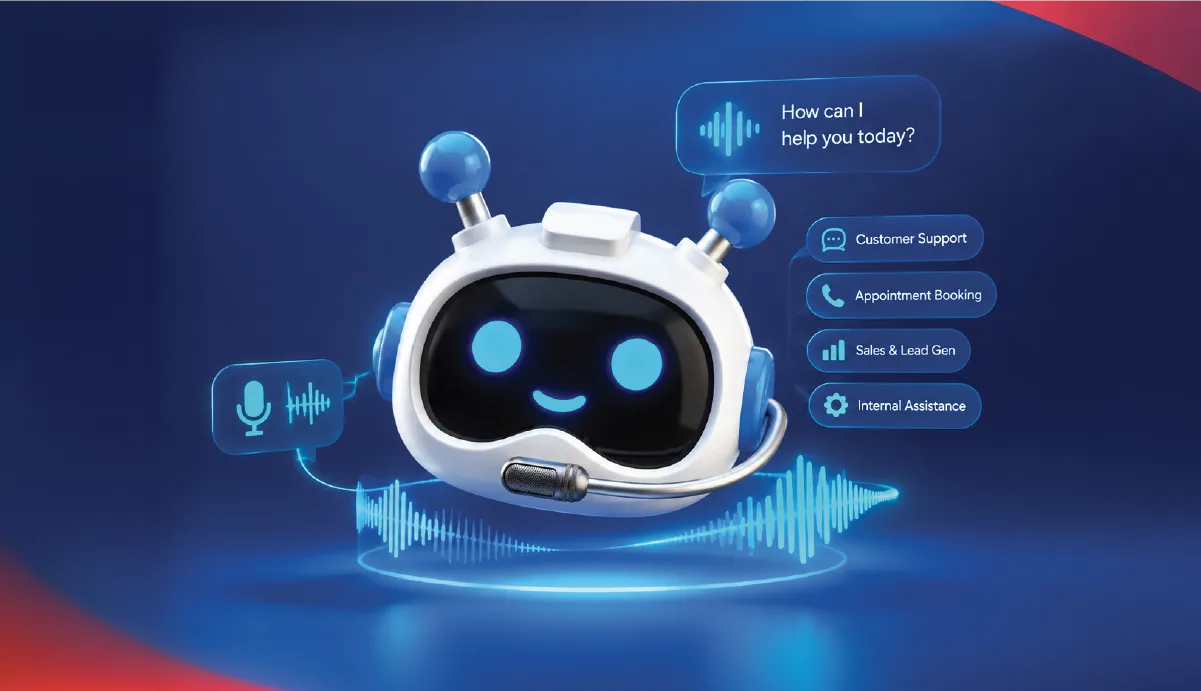
This is where VoXgent.AI stands out. Instead of treating voice and chat as separate systems, it connects them from the start. So whether a customer calls or messages, it’s all part of the same conversation. Not two channels. Not parallel workflows. Just one continuous experience. That’s what voice and chat in one platform actually looks like in practice.
What this looks like in a real scenario
Let’s say a customer starts with chat. They ask about an order. They get a quick update. Then they call for more clarity. In most setups, that call starts from zero. With VoXgent.AI:
- The context carries forward
- The agent already knows the issue
- The customer doesn’t repeat anything
It sounds like a small improvement. But it changes how the entire interaction feels.
How it changes the day-to-day for teams
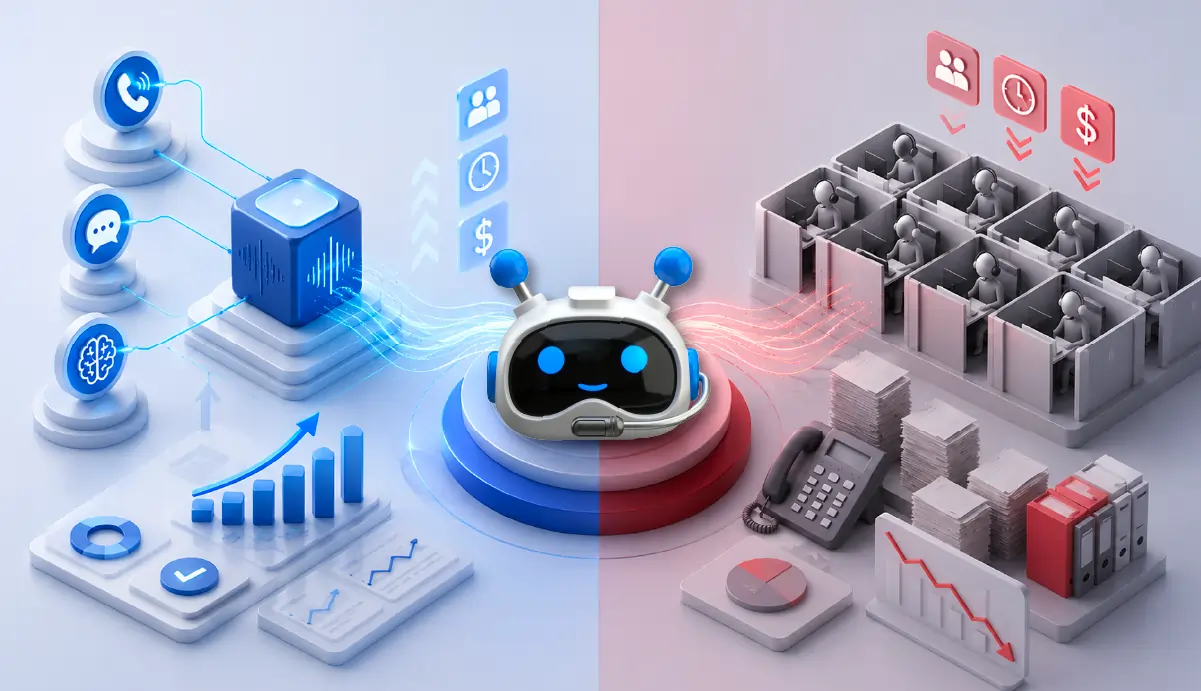
Before:
- Separate tools for chat and voice
- Constant switching between systems
- Repeated conversations with customers
After moving to one platform:
- Everything sits in one place
- Conversations stay connected
- Agents have full visibility
It doesn’t feel like a dramatic shift. Just… smoother.
Where automation fits into all of this
To make this work at scale, automation plays a key role. With voice and chat automation working together:
- Common queries are handled instantly
- Customers get faster responses
- Agents step in only when needed
It’s not about replacing people. It’s about removing the kind of work that slows everything down.
Why more teams are moving in this direction
As support grows, managing separate tools becomes harder. Small inefficiencies start adding up:
- Delays between channels
- Missing context
- More coordination, less clarity
That’s why more teams are moving toward voice and chat in one platform. Not because it’s new. Because it simplifies everything.
You don’t have to overhaul everything
One concern that comes up often is “Will this disrupt what we already have?” In most cases, it doesn’t. Teams usually:
- Start by connecting a couple of channels
- Test how conversations flow
- Expand gradually
That’s how VoXgent.AI fits in without forcing a complete reset.
What this really changes
Customers don’t think in terms of channels. They don’t care if it’s chat or voice. They just want their issue solved quickly, and without repeating themselves. When conversations stay connected:
- Responses get faster
- Context stays intact
- Friction drops on both sides
It’s a simple shift in how things are set up. But it makes the entire experience feel better.
A simple next step
If your current setup feels scattered across tools, it might be time to simplify how everything works together. With VoXgent.AI, voice and chat live in one place so conversations flow naturally, and your team doesn’t have to work around disconnected systems.
→ Book a demo to see how VoXgent.AI brings voice and chat into one platform.
→ Or explore how you can unify your support channels step by step